Staff Sergeant William John "Billy Jack" Dieter
95th Bombardment Squadron, 17th Bombardment Group, Doolittle Volunteer Group (Special Aviation Project #1) - United States Army Air Force

This profile is written to honor Staff Sergeant Dieter and to share the story of his life and service. It is not my story, but his.
William John “Billy Jack” Dieter entered this world on the fifth day of October in 1912, born to parents Jesse and Mary. He was born in Vail, Iowa, a tiny Crawford County farming community in the western third of the state off of US Hwy 30. He grew up with a brother as well as a sister. The family would move through the Midwest, eventually settling on a farm in Tulalake, California. He likely attended high school in Missouri, however only for one year as the Great Depression crippled the nation.
After the move west, Dieter would enlist in the Field Artillery of the United States Army on 29 October 1936 at the age of 24 at Vancouver Barracks, Washington. In 1938, he would graduate from Fort Lewis, Washington’s Coast Artillery Motor School. His enlistment would end in early 1940 prior to the outbreak of the United States’ involvement in the Second World War. As such, Dieter would return home to work on the family for 10 months in Tulalake.
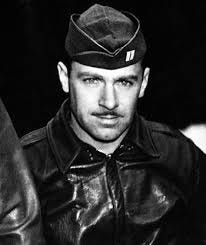
For reason’s not entirely known, Dieter decided to reenlist after his short spell at home. Perhaps he had grown out of the farming lifestyle, or he missed the rigidity of military life. The uncertain economy certainly did not help matters. Or, perhaps, he wanted to explore the horizons of the blue skies. Whatever the reason, Dieter, at McChord Field in Washington, enlisted in the 95th Bombardment Squadron of the 17th Bombardment Group on 12 December 1940. While still technically still part of the United States Army, he would no longer be a member of the artillery, but would be a member of a crew of a bomber aircraft flying high above the surface of the earth. There, he would be trained as a bombardier, the man in charge of releasing the payload.
A day that will live in infamy, 7 December, brought America into the war and ended popular isolationism. The sacrifice at Pearl Harbor (see post on Lieutenant (Junior Grade) Aloysius H. Schmitt) should never be forgotten, however SSgt. Dieter would play a role in the first armed response to this attack.
Morale in the United States after Pearl Harbor was extremely low. The Japanese attack, while not destroying their primary objective - American aircraft carriers, had by and large decimated the Pacific surface fleet of the US Navy. 2,000 American sailors had also lost their lives that December Sunday. The United States government needed a response to show Japan that the American spirit was still alive. Lieutenant Colonel Jimmy Doolittle would be just the man to lead such operation.
This operation, immortalized as the “Doolittle Raid” was conceived in January of 1942 as a direct response to the attack at Pearl. Its mission called for launching Army bombers from a naval aircraft carrier in the middle of the Pacific Ocean to bomb the Japanese cities of Tokyo, Nagoya, Yokohama, Osaka, Kobe, and Yokosuka. The primary objective was not necessarily the destruction of the Japanese war industry or removal of existing government, but to raise morale on the ever-important home front. American B-25 bomber range meant that they would have to land in Japanese-occupied China. Volunteers were needed to execute this audacious one-way mission.
The 17th was the only bomb group with the requisite number of the needed B-25’s (and thus crews trained to fly them) to execute the mission. A call for volunteers resulted in more men than needed, so Doolittle and staff selected the men who would be in the 16 bombers headed for Asia. SSgt. Dieter was one such man.
Dieter and the other selected men then went through an intense training program for the operation. In Florida’s panhandle at Eglin Field, the men learned how to take off from 300 feet, the length of the new USS Hornet carrier which would take them west, while also learning night flying, low level bombing, and a myriad of other mission-specific tasks. Doolittle’s Raiders returned to San Francisco, and Hornet departed on 2 April 1942 in broad daylight as the captain did not want to sail at night with the inexperienced crew.
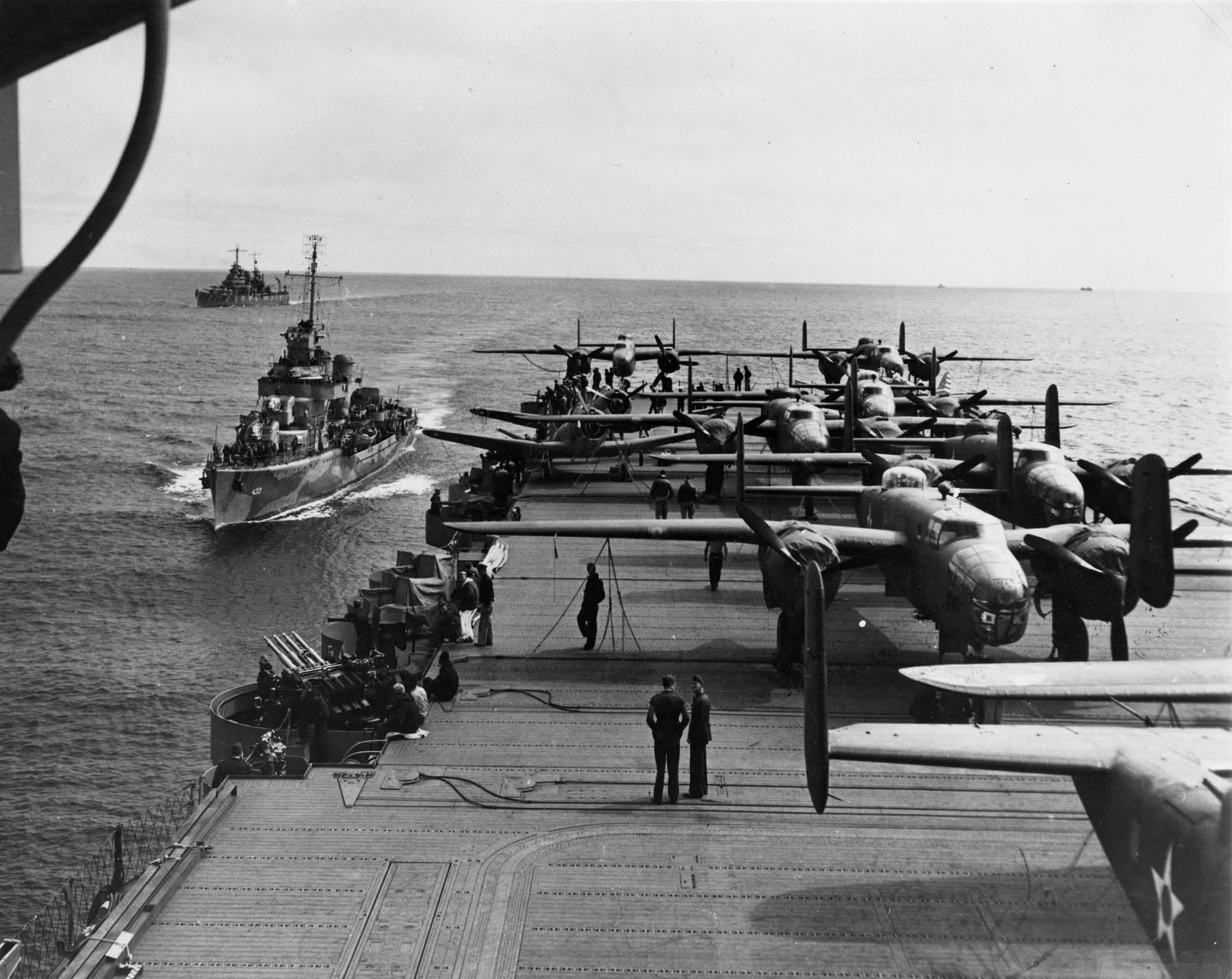
Much can be written about the mission outside of the scope of this project, however on 18 April, a Japanese naval patrol vessel was spotted in the vastness of the Pacific. This caused the bombers to launch earlier and further from their targets than initially planned or expected, which put further strain on their already limited fuel range.
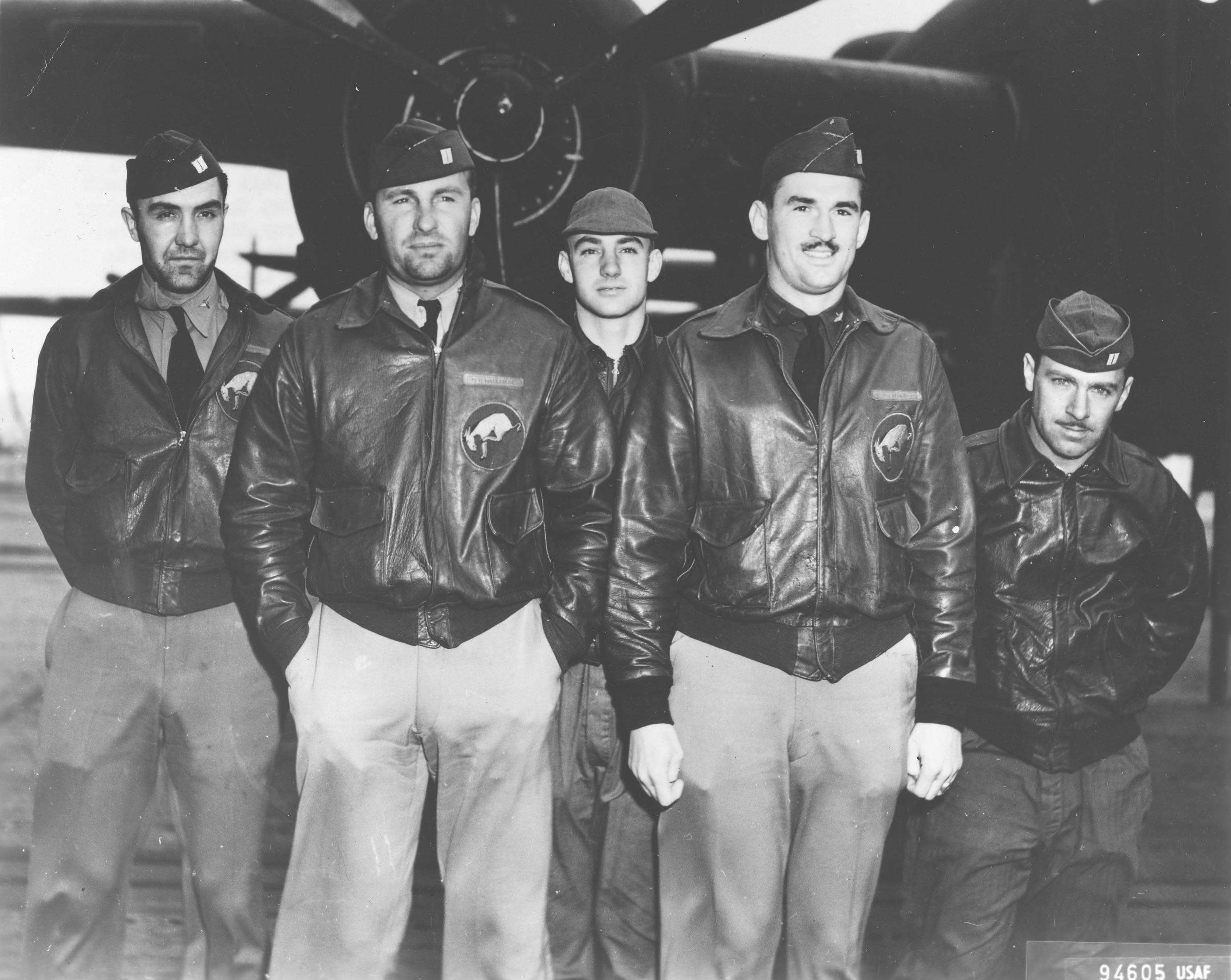
In Crew #6 aboard ship #40-2298 - Green Hornet - bound for Tokyo was Bombardier SSgt. Dieter. He successfully released the ship’s bombs on a steel mill in the city, then turned towards China. Unfortunately, their gas tanks were on E and would never reach the land they so desperately sought. Green Hornet landed just a few hundred yards from the coast. The impact threw Dieter out of the plane, and an eyewitness account from a fellow crew member stated Dieter stood on top of the stricken plane and said, “I hurt all over”. Along with Staff Sergeant Donald Fitzmaurice, Staff Sergeant William J. Dieter would drown in the East China Sea. He would be among the first American service members killed in the Pacific Theater after Pearl Harbor.
Dieter’s body would wash ashore and be buried along with Fitzmaurice by locals near Ningbo, China. He would be listed as Missing in Action, believed to be a Prisoner of War in a Japanese camp. His parents would not learn of his death until three years after the mission in 1945.
Doolittle’s Raiders was not overly successful in terms of destruction of the Japanese war effort at home, but was a success in that it raised American morale immensely. Brighter days were ahead, and the Battle of Midway 6 weeks later would capitalize on this American momentum. SSgt. Dieter never saw what would happen after his participation in the raid, but one can surmise he did not die in vain.
Staff Sergeant William J. Dieter is rightfully remembered in the following ways:
He was posthumously awarded the Distinguished Flying Cross, Purple Heart and the Chinese Breast Order of Yung Hui
His DFC reads: “For extraordinary achievement while participating in a highly destructive raid on the Japanese mainland on April 18, 1942. Sergeant Dieter volunteered for this mission knowing full well that the chances of survival were extremely remote, and executed his part in it with great skill and daring. This achievement reflects high credit on Sergeant Dieter and the military service.”
In 2014, the Doolittle Raiders were awarded the Congressional Gold Medal
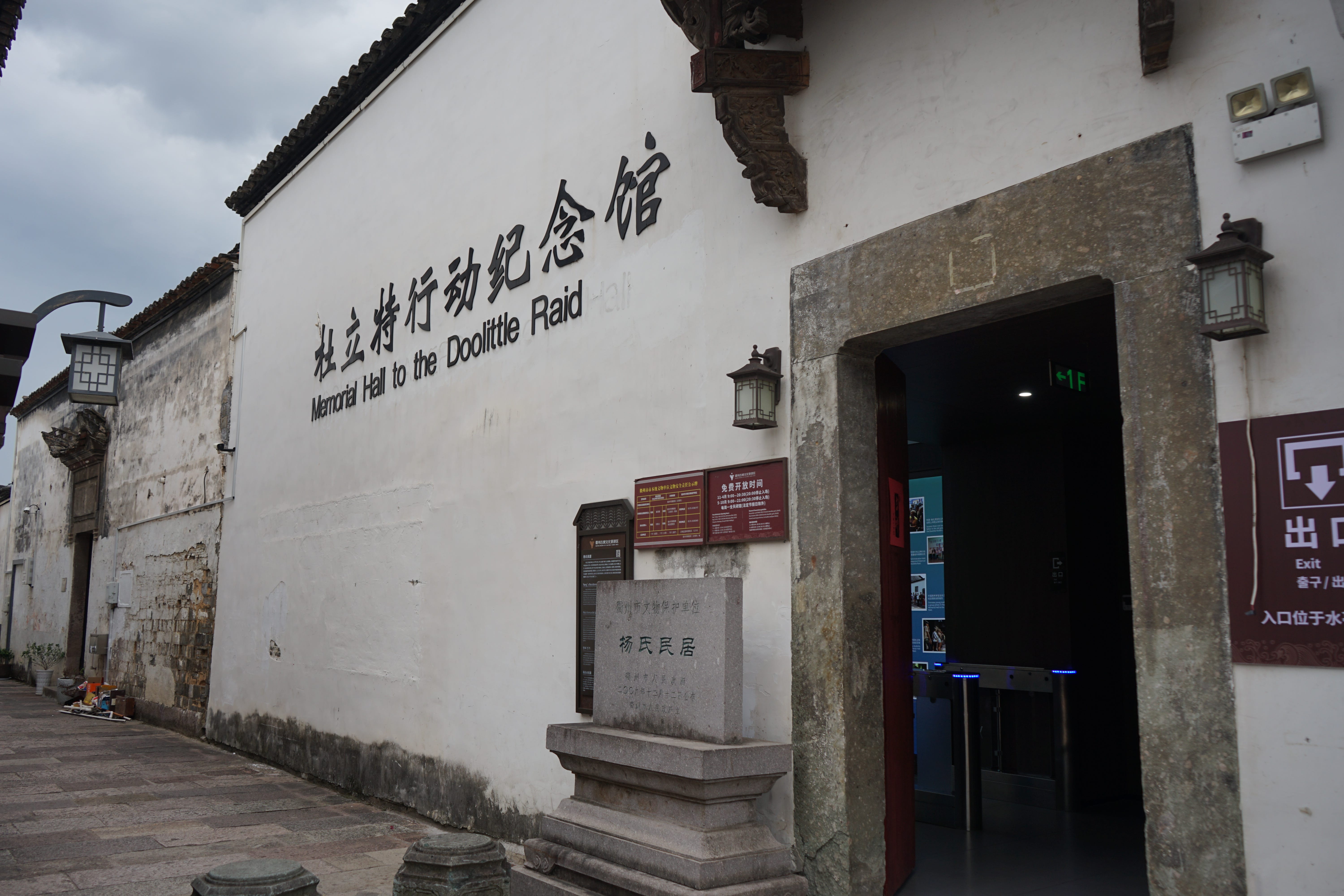
The Memorial Hall to the Doolittle Raid in Quzhou remembers the mission and the men who did not return home
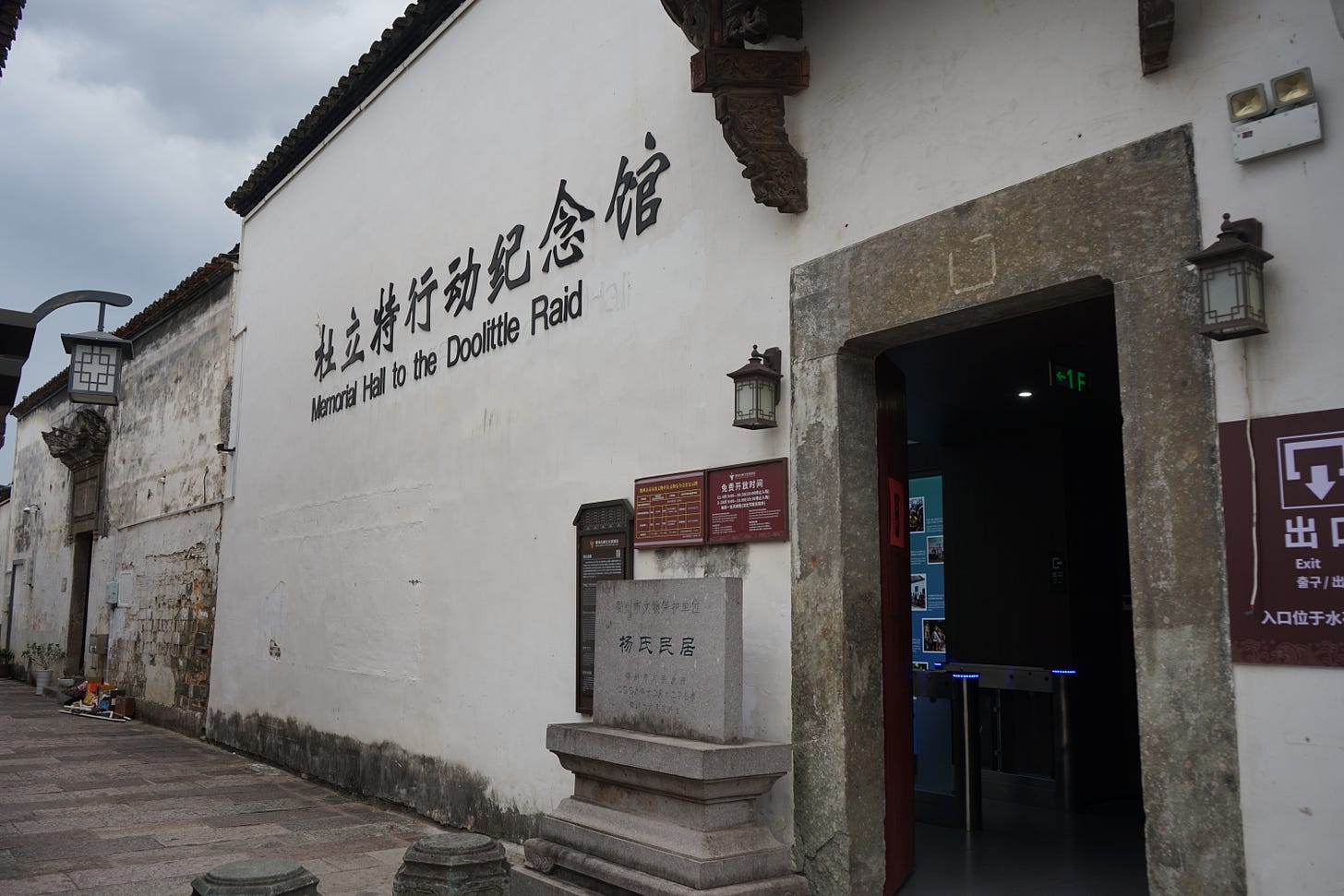
Memorial Hall to the Doolittle Raid. CGTN. Near Ningbo, local civilians still remember the two Americans KIA on Green Hornet, ensuring the story of these men never die
After the war, Dieter’s remains would be repatriated to Schofield Barracks, Oahu, Hawaii, and then would return to his native California where, on 10 January 1949, he was buried at Golden Gate National Cemetery. There, in Section B, Staff Sergeant Billy Jack Dieter rests for eternity.
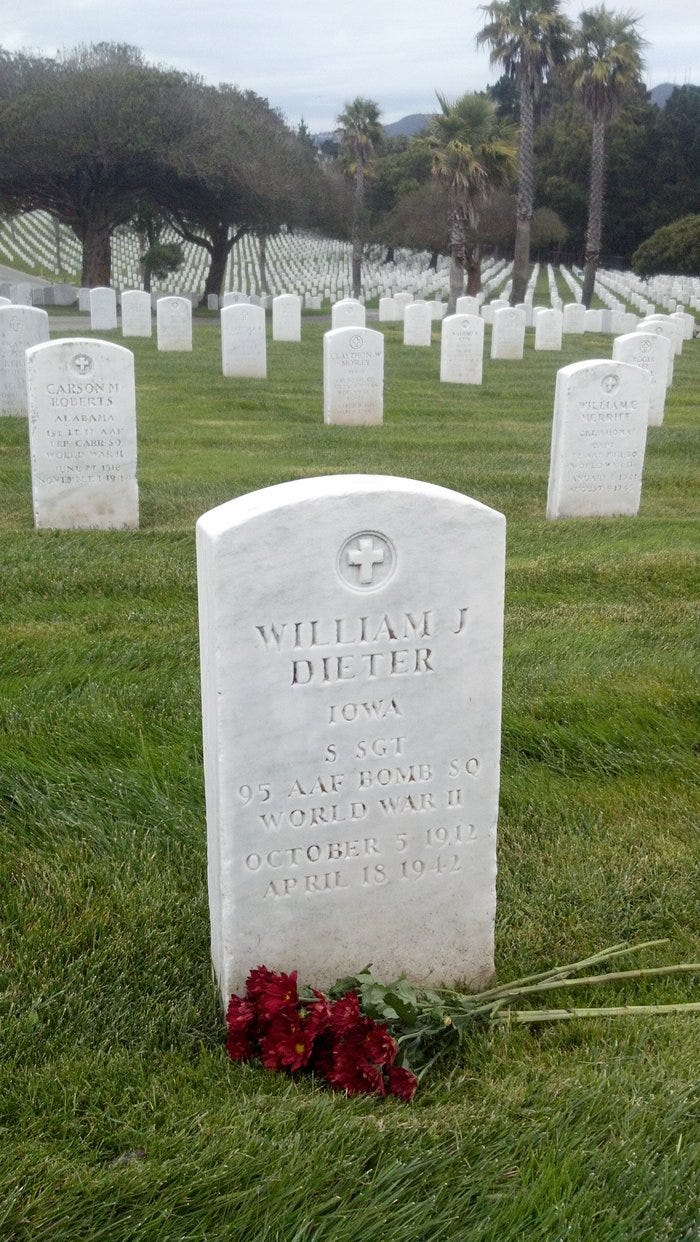
It is my honor to highlight this man. The cause he died for mattered - and allows us the freedom we have today.
If you are interested in learning more about SSgt. William J. Dieter, the men of Doolittle’s Raid, or more about the Raid itself, I recommend the following:
America Hits Back: The Doolittle Tokyo Raiders. National Museum of the United States Air Force.
Doolittle Raid. National Museum of the United States Air Force.
Doolittle Raid Crews. National Museum of the United States Air Force.
Our Honored Dead - WWII. Klamath County, California.
William J. Dieter, 656763, Staff Sergeant. Children of the Doolittle Raiders.
William J. Dieter. Veteran Tributes.
How easily I forget China's role in the Allied Forces! Very cool they have a memorial for the Doolittle Raid still. Great read about the early Pacific Theatre!